Content on this page requires a newer version of Adobe Flash Player.

Get Adobe Flash player

Papa Stour - Sculpted by the Sea

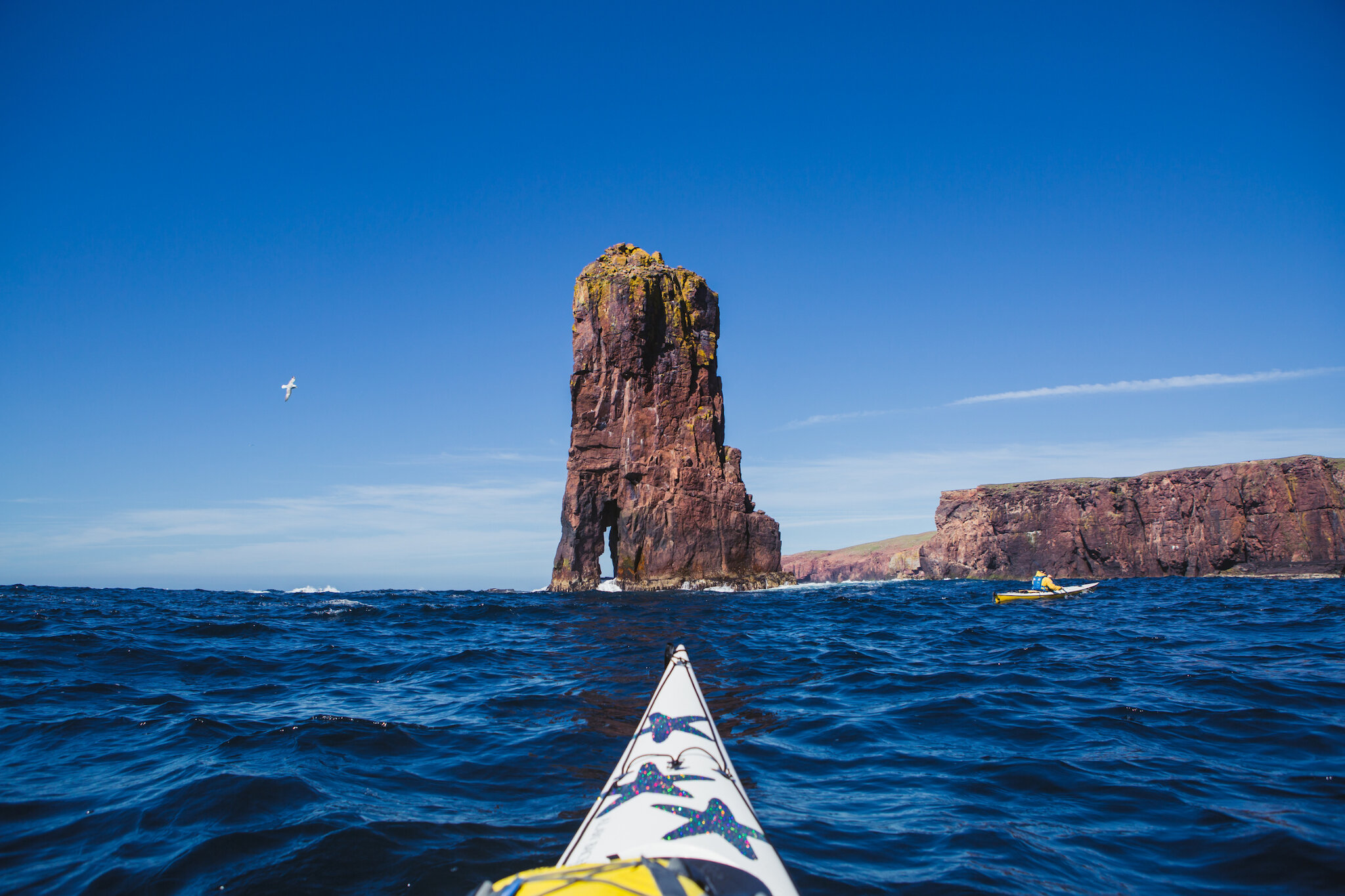
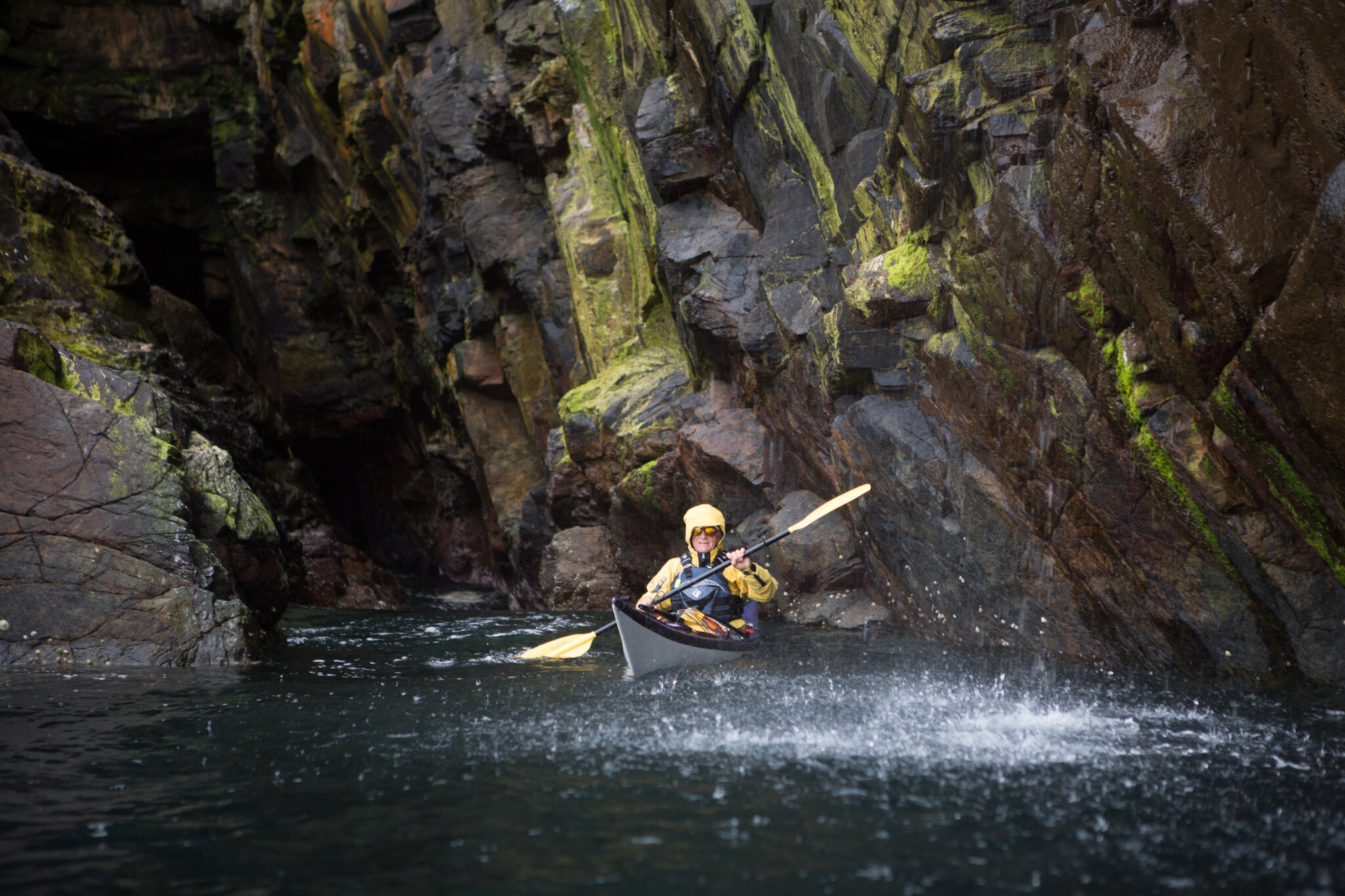
This low-lying, fertile island off the west coast of the Shetland Mainland is home to about 20 people, most of them involved in traditional crofting. Papa Stour has some of the most impressive sea caves in Britain which, along with numerous rock arches, stacks and skerries, make it a marine Special Area of Conservation.

There is an internationally important colony of terns and several sites of great geological and archaeological interest. The island also played an important role in Shetland's early history.

For walkers, birdwatchers and those just looking for solitude - Papa Stour has much to offer and those who discover the delights of a peaceful holiday here tend to return again and again.

Exploring Papa Stour

As the ferry passes Brei Holm visitors get their first glimpse of impressive sea caves: a large tunnel where, in calm weather, it's possible to take a small boat right through. At the entrance to Housa Voe is the Frau Stack where tradition says a Norwegian lord imprisoned his daughter for refusing an arranged marriage. She had given her heart to a humble fisherman who rescued her from solitary confinement and eloped with her.

Above the beach at Housa Voe is a circle of stones, the remains of a ting, or local assembly, where Lord Thorvald Thoresson, the man accused of corruption in the 1299 document, fought and won a duel.

Excavations at Da Biggins have uncovered foundations of a mediaeval Norse house. The remains of wooden floors suggest that this was once a very important building.

In the open hill beyond the kirk and primary school are the remains of several Neolithic burial chambers known as heel-shaped cairns.

Suspected leprosy sufferers from the Shetland Mainland were once banished to huts whose foundations you can see on Hilla Fielle. To survive they relied on the islanders to leave food for them by the hill dyke. In fact they were probably suffering from dietary deficiencies, not leprosy.

The small stone buildings around Dutch Loch are good examples of vertical-shaft water mills, some of them still in use until the early 20th century.

Submarine Wildlife

The full force of the Atlantic Ocean has carved the western cliffs into beautiful arches, stacks and caves - the most famous of which is the Kirstan Hol. In calm weather divers and small boats can enter this labyrinth of magnificent caves where a riot of submarine life carpets the cavern walls.

Virda Field is the highest point, with a panoramic view of Papa Stour. To the north west the treacherous Ve Skerries reef just breaks the surface.

The hill dyke divides the fertile, sandy soils of the 'inbye' croft land from the moorland of the common grazings to the west. In the past islanders removed turf and peat from the hill for fertiliser and fuel, creating a 'scalped' heathland of short, wind-clipped vegetation growing on gravelly subsoil.

Getting There...

The inter-island ferry from West Burrafirth takes about 45 minutes to reach Papa Stour and operates five days a week.  Booking is essential.  

Although the ferry Snolda carries cars, there's only one short road on the island so the best way to see Papa is on foot.  There is accommodation on Papa Stour to allow time for exploring the island however it is also possible to make a day trip (see timetable for possible days).

Small inter-island flights also operate to the Papa Stour airstrip. Details from Direct Flight at Tingwall Airport, 7 miles outside Lerwick. 


What Next?

On This Site

  • Read more about Shetland's spectacular scenery
  • Discover Shetland's unmissable beaches
  • Take time to explore the island of Whalsay

From Other Sites

  • Download a Shetland Heritage leaflet about Papa Stour
Please bookmark or share this page: