A quick introduction
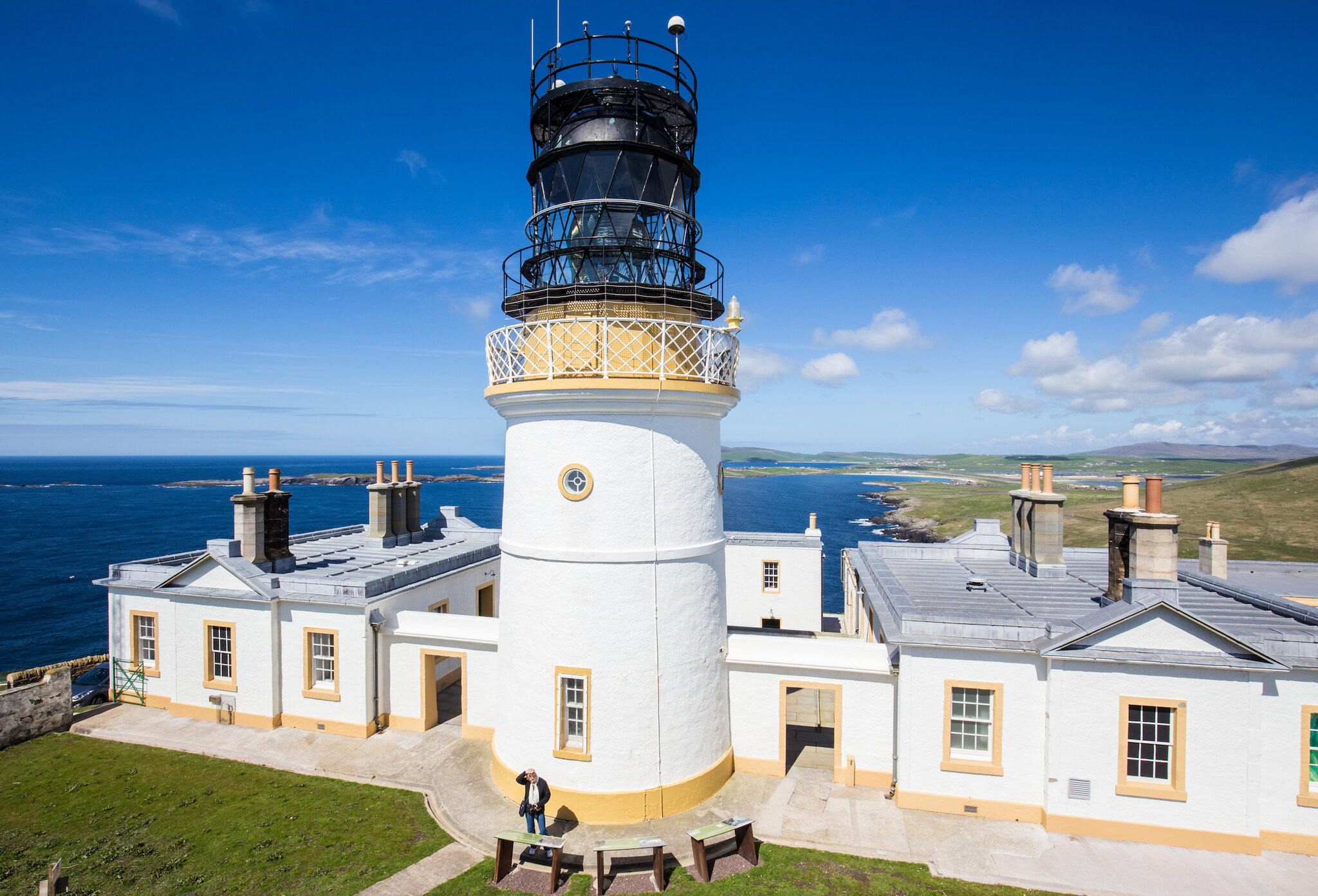
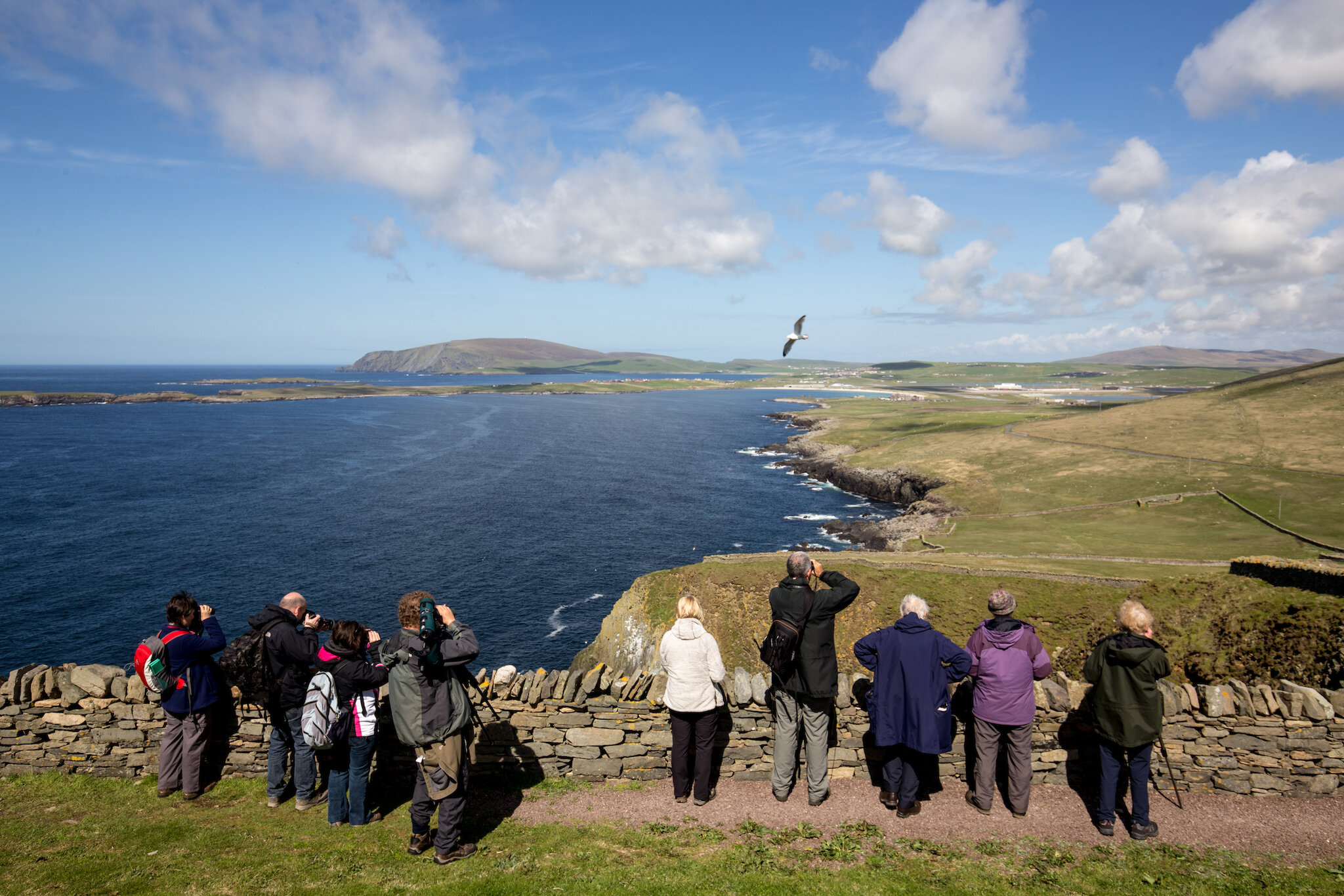
Shetland's South Mainland is a fertile landscape with many working farms and crofts. It stretches from Gulberwick, just south of Lerwick, to Sumburgh. There is excellent walking along the coastline and through the hills which form the spine of the South Mainland. The views from Scousburgh Hill and Fitful Head are on an epic scale: crofts and farmland fringe shell sand beaches and secluded coves; while to seaward are the dramatic silhouettes of Fair Isle and Foula.
Ice carved this landscape out of ancient Old Red Sandstone rocks, some 370 million years old, although there are also much older deposits with soapstone and copper ores. The sandy soil and generations of good husbandry have made this Shetland's most productive farmland. The South Mainland also has Shetland's most extensive sand dunes – which have helped to preserve several archaeological sites such as Jarlshof and Old Scatness.
All through the district you will find fascinating traces of the past: miniature watermills and old croft townships built in the beautiful local stone; the patterns of ancient fields; and traditional double-ended Shetland boats whose lines speak of their Viking origins.
How to get to the South Mainland
From Lerwick, follow the A970 south and it will take you all the way to Sumburgh. Villages such as Bigton, Sandwick and Fladdabister are signposted along the way. For bus routes, see the ZetTrans website.
Where to stay
There's a wide range of accommodation options in this area, including self-catering, bed and breakfasts, hotels and campsites. See our Accommodation page for a list of useful websites and our Caravan and camping pages for campsites. You can also stay in Betty Mouat's camping bod (read more about Betty's remarkable story below).