Yell
Yell is Shetland's second-biggest island (83 square miles/212km2) and probably the Otter capital of Britain.
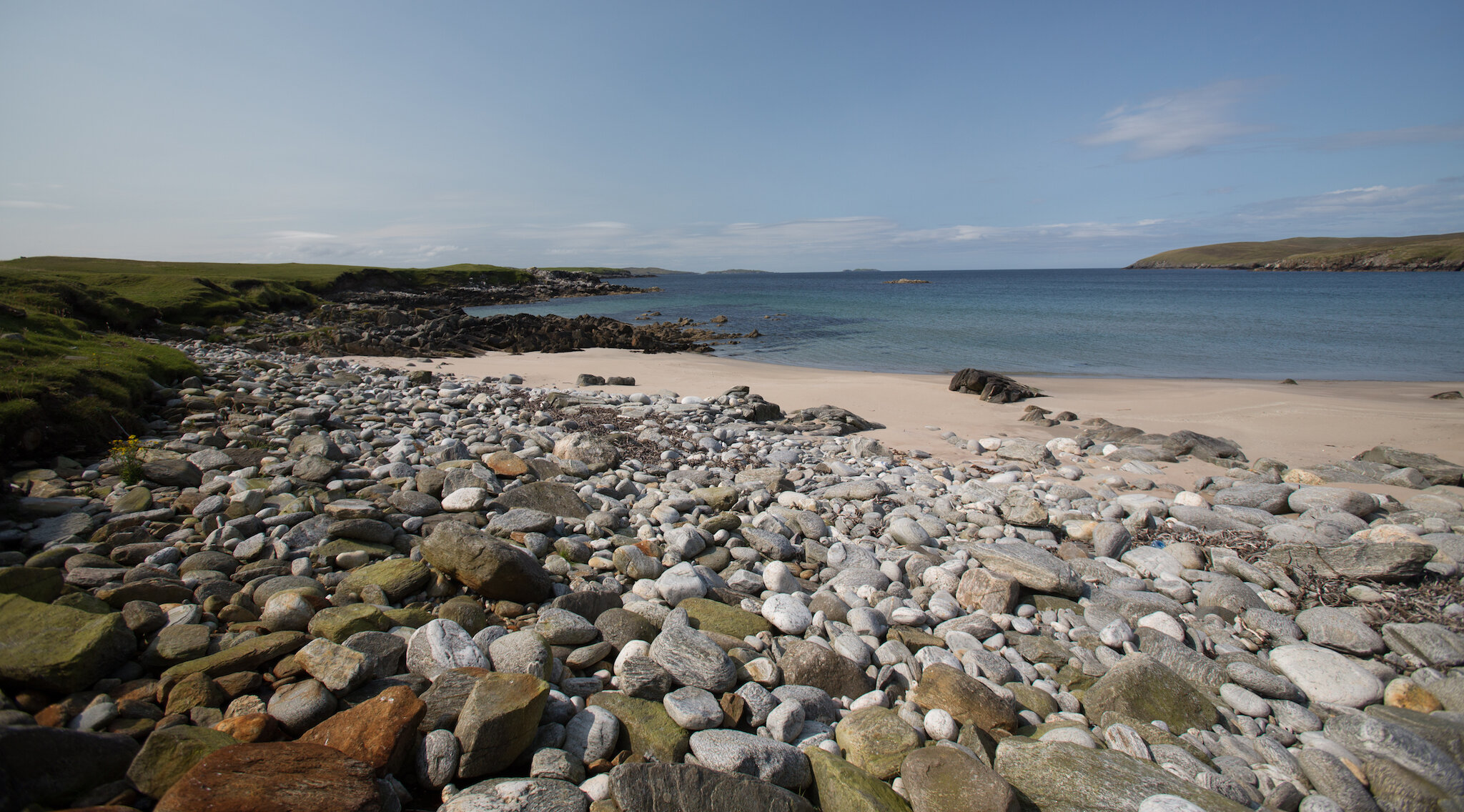
Crofting townships fringe Yell's long and varied coastline and stretches of uninhabited moorland, known as 'da Wilds o' Yell', which include nationally important nature reserves such as the RSPB's Lumbister, Hascosay and the Yell Sound Islands. But the whole area teems with wildlife, especially during the summer, so there's always something to delight birdwatchers, hill walkers or casual strollers. You never know when a Whimbrel, a Red-throated Diver, Golden Plover, Common Seal or Otter may put in an unscheduled appearance - and that's just while you're still sitting in your car.
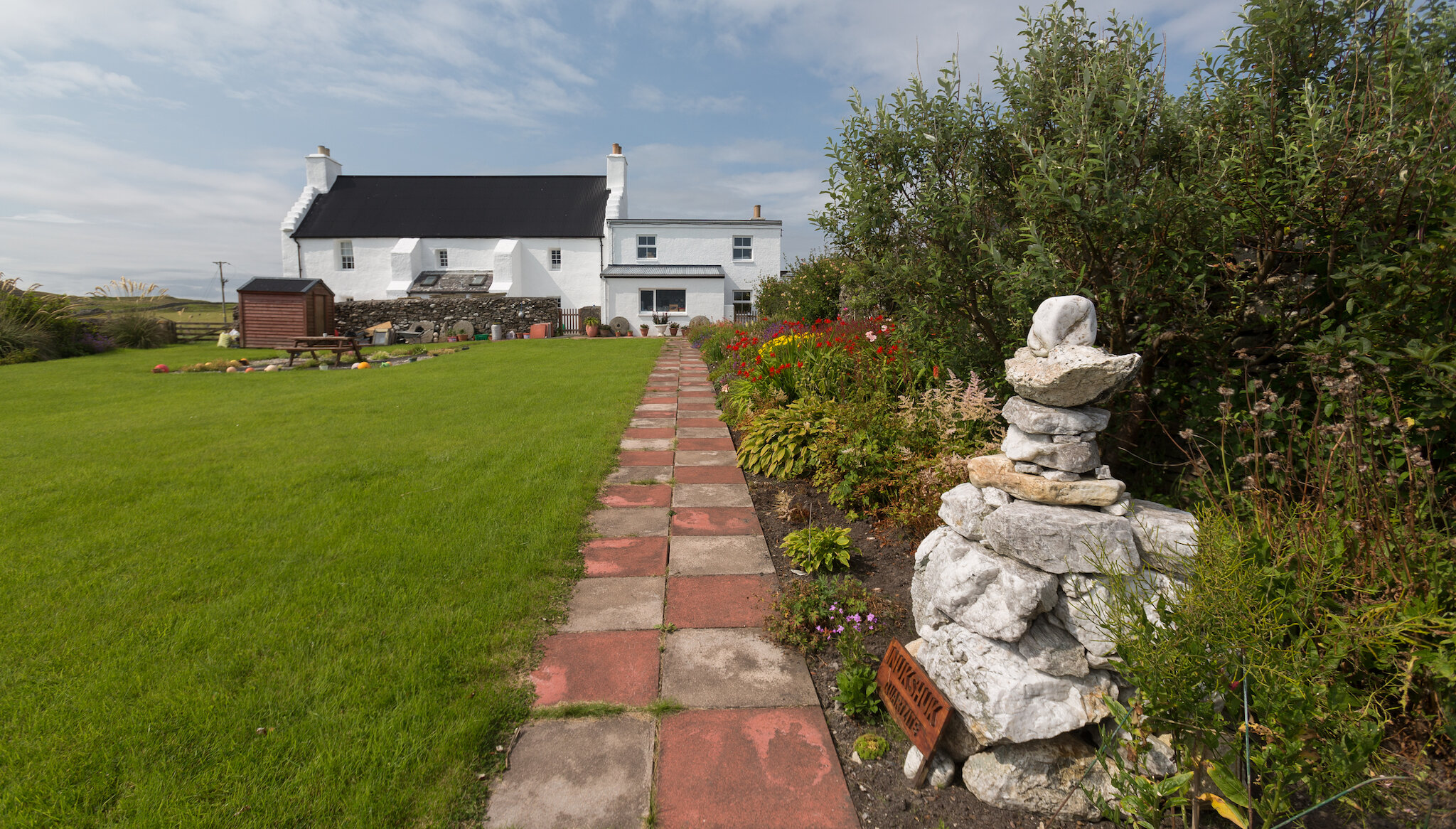
Like neighbouring Unst, Yell has a fine leisure centre and heated indoor swimming pool that welcome visitors. There are well-stocked and very helpful shops, some excellent bed-and breakfast establishments, pubs and, at the Gutcher ferry terminal, the delightfully eccentric Wind Dog Café, an internet café-cum-library.
Yell offers some lovely coastal walks and, thanks to the locally-based author and rambler Peter Guy, it's exceptionally well-documented. Peter's guidebooks to Walking the Coast of Shetland are classics and essential companions as you explore Yell and other islands. South of Mid Yell, at Otterswick, a short walk takes you to the figurehead known as 'Da White Wife' from the 1924 wreck of the 'Bohus', a German sailing vessel.
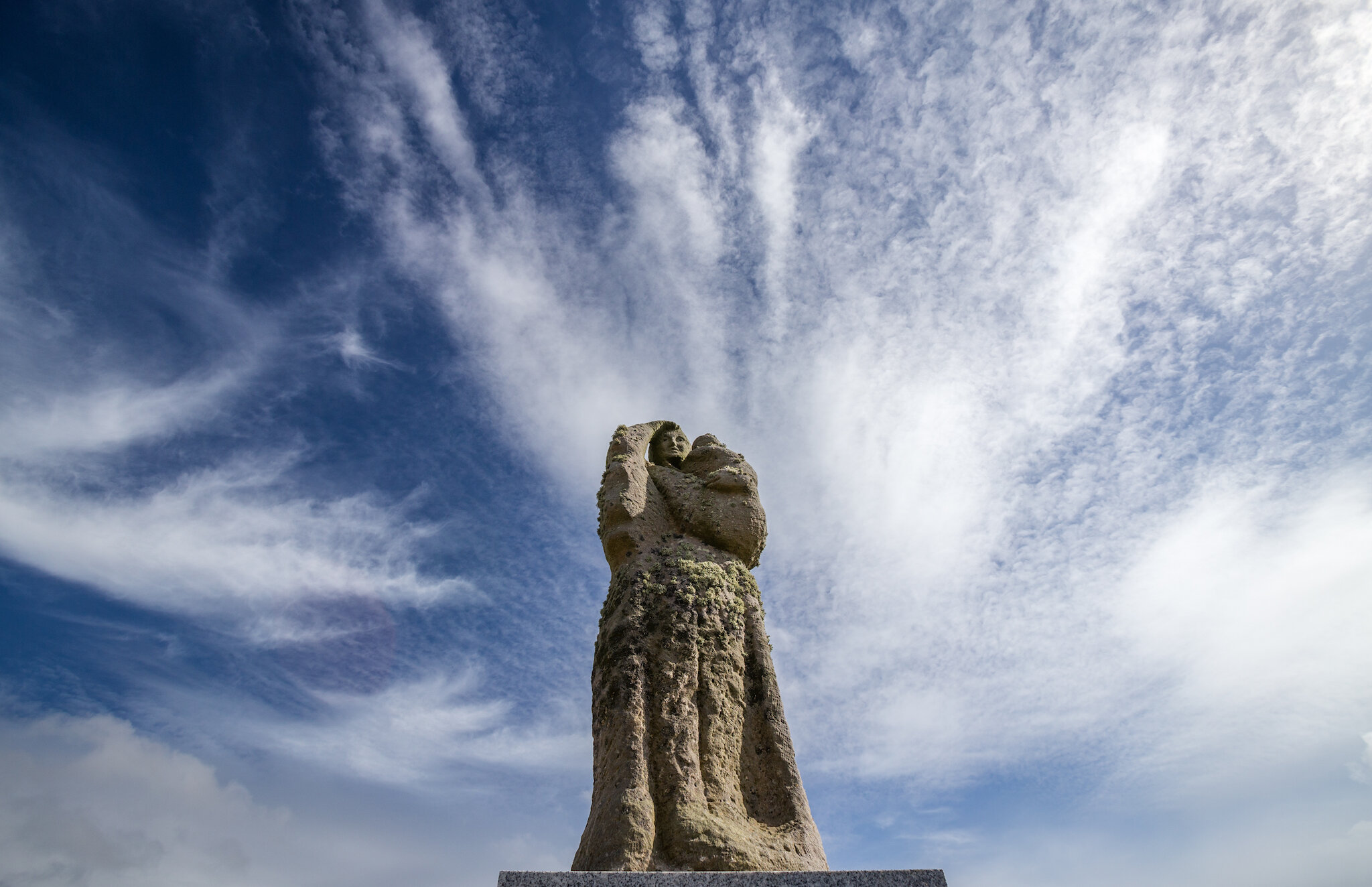
On the road from Burravoe to Ulsta a track leads north through Arisdale to the Catalina Memorial, commemorating the crew of an RAF flying boat which crashed in the hills during the Second World War. At the other end of the island, the Gloup Memorial commemorates 58 fishermen drowned when disaster struck the Haaf fishing on the night of July 21st 1881.
The Old Haa' museum and heritage centre at Burravoe is one of the best of its kind. A fascinating permanent exhibition on the history and folklore of Yell is complemented by annual displays on different local themes, a gallery showing the work of local professional and amateur artists, a craft shop and a home-bakes café in the style of a traditional croft house interior.
Wildlife
Yell has especially desirable 'real estate' for wandering families of Otters because there's plenty of low-lying peaty shoreline where they can excavate holts with good fresh water supplies. These
are the normal European river otters (Lutra lutra), not Pacific Sea Otters, and in Shetland they catch most of their fish in salt water - so after each hunt they must rinse their fur in fresh water to keep its insulating properties.
With luck and binoculars, you may spot Harbour Porpoises some distance offshore or, less frequently, dolphins and Killer Whales, particularly in Bluemull Sound and Yell Sound. Local ferrymen often keep notes of cetacean sightings and are pleased to share information with passengers if you ask what they've seen today.
Yell was home to a famous Shetland naturalist, musician and author, the late Bobby Tulloch, the RSPB representative here for many years. As well as logging rarities like Fetlar's Snowy Owl, Bobby did much to publicise Shetland's treasure house of commoner birds, animals and plants worldwide. At the Old Haa’ there's a special section devoted to Bobby Tulloch's wonderful collection of wildlife photographs, most of them taken in his native island.
Please bookmark or share this page: